
Emergency Call Systems Dubai for Rapid Safety Communication
Managing emergencies across commercial buildings, healthcare facilities, industrial sites, and public infrastructure requires fast communication and coordinated response handling. Organizations increasingly rely on centralized emergency communication systems to support rapid incident reporting, emergency escalation systems, and operational safety coordination across multiple facilities.
Emergency call systems Dubai solutions help organizations improve emergency response coordination through integrated communication infrastructure, real-time alerts, and centralized monitoring platforms. These systems integrate with intercom systems, access control infrastructure, nurse call systems, and building management systems to support reliable safety alert infrastructure and operational preparedness across the UAE.
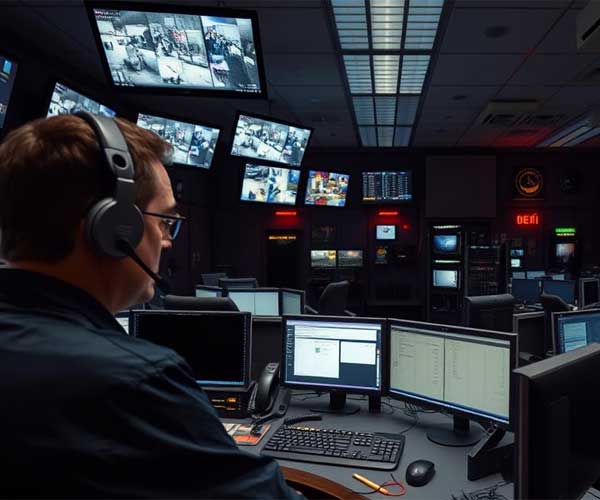
Emergency Communication Solutions for Commercial and Healthcare Facilities
Emergency communication systems are designed to support rapid response workflows during medical incidents, security threats, operational disruptions, and emergency evacuation scenarios. These systems support:
- Emergency notification systems for real-time alerts
- Centralized emergency communication management
- Critical communication systems for operational coordination
- Emergency escalation systems across multiple departments
- Safety alert infrastructure for immediate response activation
- Integration with broader building safety systems
Organizations deploy these systems to improve operational readiness while supporting compliance and emergency preparedness requirements.
Types of Emergency Call Systems Dubai
Different facilities require different emergency communication configurations depending on occupancy, operational risk, and infrastructure requirements.
Nurse Call Systems
Nurse call systems support patient-to-staff communication within hospitals, clinics, elderly care facilities, and healthcare environments requiring continuous medical response coordination.
Emergency Assistance Call Systems
Emergency assistance systems are commonly deployed in commercial buildings, public infrastructure, and workplace facilities where users may require immediate support during emergencies.
Disabled Refuge and Assistance Systems
Refuge call systems support emergency evacuation procedures in multi-floor buildings and public infrastructure environments.
Industrial Emergency Alert Systems
Industrial operations deploy emergency notification systems integrated with alarms, operational safety infrastructure, and centralized monitoring platforms.
Integrated Emergency Communication Systems
Integrated communication platforms combine emergency alerts, intercom systems, access control infrastructure, and building management systems into centralized emergency coordination environments.
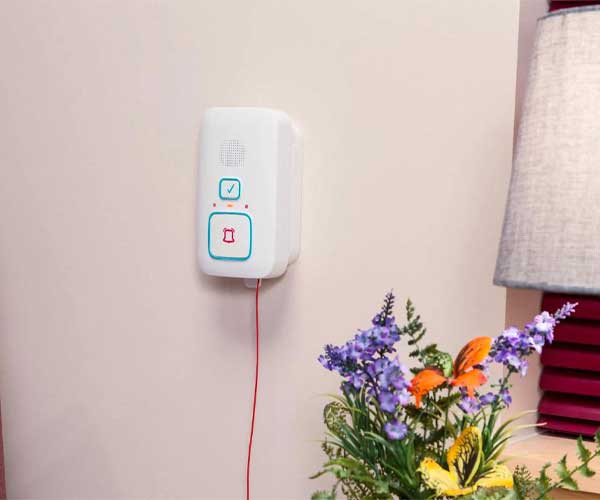
Features of Modern Emergency Call Systems
Modern emergency communication infrastructure supports operational continuity, emergency coordination, and centralized response management.
- Instant emergency alert activation
- Audio and visual notification systems
- Centralized emergency communication dashboards
- Real-time responder communication
- Integration with building management systems
- Emergency escalation systems
- Scalable deployments across multiple facilities
- Critical communication systems for incident coordination
- Integration with fire safety and security infrastructure
- Remote monitoring and operational reporting
These capabilities help organizations maintain faster response coordination and improved emergency visibility.
Integrated Emergency Communication for Smart Facilities
Smart facilities increasingly require integrated communication systems capable of coordinating emergency alerts, operational notifications, and building safety workflows from centralized platforms.
Integrated emergency communication systems support:
- Real-time emergency response coordination
- Connection with intercom systems and nurse call systems
- Integration with access control infrastructure
- Centralized emergency monitoring across multiple locations
- Communication with building management systems
- Automated emergency escalation workflows
- Remote management for distributed facilities
These systems are commonly deployed in hospitals, office towers, hotels, industrial environments, educational institutions, and public infrastructure projects.
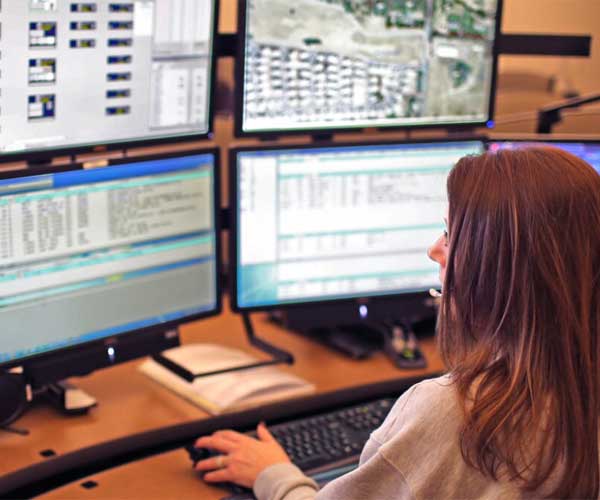
Nurse Call System vs Emergency Call System
| Criteria | Nurse Call System | Emergency Call System |
|---|---|---|
| Primary Use | Patient-to-staff communication | General emergency alerts |
| Locations | Hospitals, clinics | Commercial, industrial, public |
| Alert Type | Medical assistance requests | Emergency/distress signals |
| System Complexity | Medium to high | Low to medium |
| Integration | Healthcare systems | Multi-system (fire, security, BMS) |
| Response Handling | Assigned medical staff | Security/facility team |
Industries Using Emergency Communication Systems
Emergency communication systems support operational safety and rapid response coordination across multiple sectors.
Hospitals and Healthcare Facilities
Healthcare environments deploy nurse call systems and emergency communication infrastructure to support patient care and medical response coordination.
Commercial Buildings and Offices
Commercial facilities use emergency notification systems to improve workplace safety and centralized emergency handling.
Hotels and Hospitality Properties
Hospitality environments implement emergency communication infrastructure to support guest safety and incident coordination.
Industrial and Warehouse Facilities
Industrial operations rely on critical communication systems for operational safety management and emergency escalation handling.
Government and Public Infrastructure
Public facilities require centralized emergency communication systems to support evacuation procedures and coordinated incident management.
Compliance and Safety Infrastructure Considerations
Emergency communication systems are often integrated into broader compliance and safety infrastructure requirements. Key considerations include:
- Emergency preparedness planning
- Safety alert infrastructure compatibility
- Building safety integration requirements
- Compliance with operational safety standards
- Centralized emergency monitoring
- Integration with fire safety and access systems
- Redundant communication workflows for critical environments
Proper system planning helps organizations maintain operational readiness while improving facility-wide emergency coordination.
Benefits of Emergency Call Systems
- Faster emergency response coordination
- Improved incident communication workflows
- Better operational safety management
- Centralized emergency communication visibility
- Improved emergency preparedness across facilities
- Support for healthcare and patient assistance
- Scalable deployments for multi-site environments
- Integration with smart facility infrastructure
These systems help organizations improve response efficiency while maintaining reliable communication during emergencies.
Why Businesses Choose Gennex for Communication Systems
Since 2016, Gennex Middle East FZE has supported commercial and healthcare communication infrastructure projects across Dubai and the UAE.
- Experience in emergency communication infrastructure
- Technical consultation for integrated safety systems
- Support for centralized emergency communication deployments
- Assistance with system compatibility and infrastructure integration
- UAE-wide technical and deployment support
- Integration expertise across safety and security systems
- Long-term operational and maintenance assistance
The focus remains on delivering communication infrastructure aligned with operational safety requirements and facility response workflows.
Deployment and Maintenance Support
Reliable emergency communication infrastructure depends on accurate planning, integration, and ongoing maintenance support. Deployment services include:
- Site assessment and safety workflow analysis
- Emergency communication planning
- System configuration and integration support
- Integration with building management systems
- Testing and emergency response verification
- Maintenance planning and troubleshooting support
These services help organizations maintain a reliable emergency coordination infrastructure across commercial and healthcare environments.
FAQs
What are emergency call systems used for?
Emergency call systems are used for rapid safety communication, emergency alerts, and coordinated response handling during medical, operational, or security incidents.
What is the difference between a nurse call system and an emergency call system?
Nurse call systems primarily support patient-to-staff communication, while emergency call systems Dubai manage broader facility-wide emergency coordination and alert workflows.
Can emergency communication systems integrate with access control infrastructure?
Yes, these systems can integrate with access control platforms, intercom systems, building management systems, and fire safety infrastructure.
Are emergency call systems suitable for commercial facilities?
Yes, offices, hotels, warehouses, public buildings, and industrial facilities commonly deploy emergency communication systems to improve operational safety and incident response coordination.
Do emergency communication systems require regular maintenance?
Regular maintenance helps ensure communication reliability, alert functionality, and operational readiness during emergencies.
Do you provide deployment support across the UAE?
Yes, deployment assistance, technical consultation, integration support, and maintenance services are available across Dubai, Abu Dhabi, and the UAE.
Get Emergency Call Systems in Dubai
Improve emergency coordination and facility response management with integrated communication systems designed for commercial and healthcare environments across the UAE.